Gypsum ceiling and Partition Contractor in Dubai-UAE



ATELIER INNOVATION INTERIOR DECORATION LLC
Turnkey Interior Fit out Company
Call -+971 4 225 0123
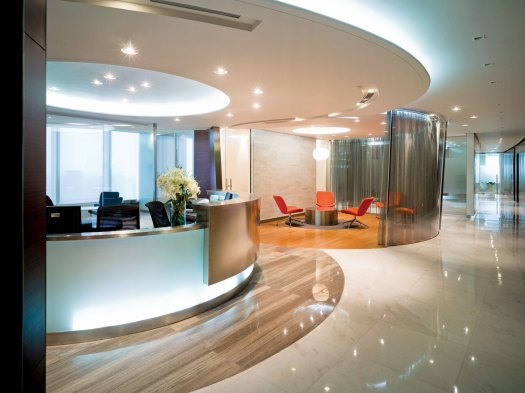 False Ceilings Contractors Dubai
Suspended Ceilings are an important factor to consider when creating the right atmosphere and ambience for your workplace and that of visiting clients or people. A well thought out and designed ceiling installation can not only look great and create a good impression but a good ceiling installation can also improve the working conditions for staff too which can help increase their productivity!
As materials and products have developed – so too has the choice of suspended ceilings options. We install suspended ceilings throughout the UAE to a vast array of clients ranging from Offices and Factories – right through to Healthcare, Medical, Leisure and Hospitality sectors to name just a few.
CDY Ceilings have an enviable reputation within the market and region which has been built up over 10 years – we provide an exceptional service and insist on using only the best ceiling products from the world’s leading suppliers.
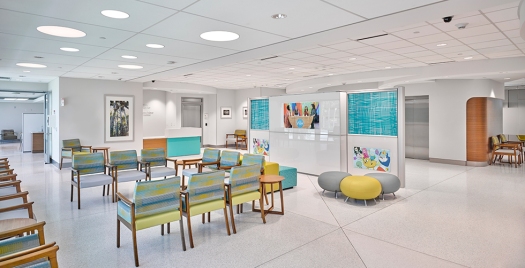
The range of ceilings and ceiling tiles available on the market today can meet the demands for all areas of work offering improved light reflectance, better acoustics, thermally insulating, as well as being an anti-fungal solution for your building too.
Ceiling Tile Systems – Ceiling Products – UAE
Ceiling tiles and ceiling products are typically manufactured from mineral fiber, glass fibre, plaster, plasterboard or metal and come with a range of installation options too. Whether you require a lay in grid suspended ceiling or a concealed ceiling, our friendly and knowledgeable staff are on hand to help you, give you advice where needed and of course would be happy to assist you in your choices.
Advantages of suspended ceilings –
Suspended Ceiling Flexibility
Suspended Ceiling Cost
There are other advantages that are sometimes specifically designed into schemes and these are classed as ‘performance’ ceilings. Examples of some of these benefits are:
Suspended Ceilings – Fire Protection
Certain schemes will be required to comply with Building Regulations and must have inherent fire resistance to specified levels. A suspended ceiling can form part of a building’s fire protection and therefore must be correctly specified, designed and installed to the manufacturer’s requirements. We take this aspect very seriously and we will ensure that your project is fully compliant with the current guidelines.
Suspended Ceilings – Thermal Insulation
Want your business to be green and at the same time save you money in the long run?
Specifying a ceiling tile and / or adding a mineral wool quilt overlay can significantly reduce the thermal energy loss of a building and keep your staff happier!
Suspended Ceilings – Humidity Resistance
Have a specific area or application that has a high humidity requirement, well you are not alone. More and more ceiling installations are facing demanding conditions such as buildings with intermittent heating and cooling, areas with high concentration of people, structures that are open to the exterior environment etc. To meet and exceed these requirements we choose from a wide range of ceiling and grid types that can cater for conditions of up to 95% Relative Humidity, some of which excel in conditions of up to 100% RH!
Suspended Ceilings – Hygiene & Sterile Applications
Health and safety is all important to meet today’s stringent industry requirements.
Sometimes this demands a ceiling type which conform to the regulations governing the food and health industries. Alongside this there are other industries which require a similar level of hygiene such as the electronics, fiber-optics, pharmaceuticals and computer industries and may also have requirements for environmentally controlled installations or may require Class 100 clean room conditions. We have solutions to cater for even the most demanding of applications, please contact us to discuss.
Suspended Ceilings – Noise Reduction
Noise reduction improves a work space’s level of comfort and improves work productivity. Properly specified acoustical ceilings reduce noise levels in interior spaces, using a combination of high performance sound absorption materials and improve room to room sound attenuation.

False ceilings are increasingly being incorporated into modern architecture since they not only lend aesthetic value, but also create visual depth and layers. False ceilings are often known as dropped ceilings as they are literally dropped or hung from the main ceiling. One of the main functions of false ceilings is to conceal wiring, air conditioner ducts and so on. Such ceilings can also be used to delicately divide a large space into intimate sections without building walls. False ceilings accompanied with cove lighting can take the look of any space, be it your living room, bedroom, or dining area, to a whole new level too.
False ceilings can be designed in a number of ways. The most common materials used to build a false ceiling are gypsum sheets or pre fabricated panels. Apart from these, wood panels are also often used to create such ceilings. You can install false ceilings on your own, or hire a professional if you are not very confident of managing things yourself. In either case, it will help you to be aware of the process of installing a false ceiling. Go through our step by step tutorial for a clearer insight.
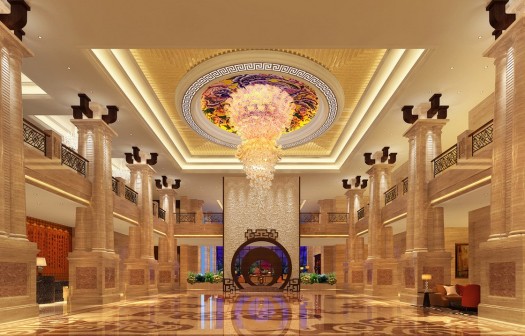
There are two main ways of installing a false ceiling in your room. With the first method, the false ceiling panels are installed directly on the beams. To do this, you must first build a wooden frame of regularly spaced parallel beams. Since the roof beams may be of varying heights; change the height of the frame beams accordingly. The end result should be a frame that has a uniform base level. Once this is done, screw on the ceiling panels to the wooden framework. Take care to ensure that there are no gaps between the panels.
Sometimes you may want to install the false ceiling in such a way, that the area between the false ceiling and the actual ceiling of the house can be accessed. In such cases, you will need to suspend the false ceiling.
 The wooden frame along the ceiling will need to be now duplicated below the wooden struts. Use a laser level to mark the bottom height of the wooden struts along the wall. if you do not have a laser level, you could also use a cord and spirit level. Measure and cut wooden beams of equal thicknesses to the length of the room. Fix this framework to the bottom of the struts and also to the walls. This will ensure that your false ceiling has a sturdy base. If you are planning to install lights as part of your false ceiling, you should plan the wiring and light points at this stage.
Follow us for updates….
 ATELIER INNOVATION INTERIOR DECORATION LLC